
Happy Fishing brings moving sea targets, timed shots, and changing rewards to Filbet. Members choose cannon levels carefully because each creature demands different timing and accuracy. This guide helps players understand rules, improve targeting, and make efficient decisions.
A clear introduction to subaquatic rounds in Happy Fishing
Filbet presents an underwater screen where fish cross several firing lanes. Each round combines movement with changing sizes, so every shot needs close attention. Members control a cannon near the edge while creatures travel through different paths.
Happy Fishing uses simple shooting actions, although target values and speeds change constantly. Smaller creatures cross quickly, while larger ones stay longer and need more hits. Players should read each lane because crowded screens can hide stronger moving targets.
Round results depend on successful hits, and rewards appear after captured creatures disappear. Happy Fishing includes changing scenes that alter density, direction, and shooting chances. Members can follow these shifts, so their cannon stays focused on reachable targets.
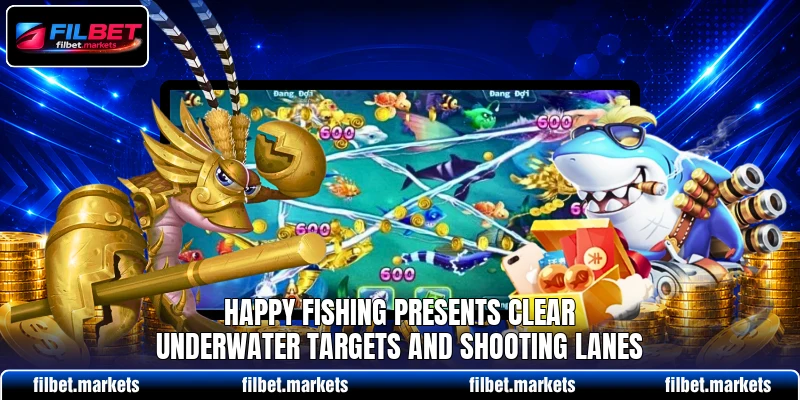
How the shooting regulations shape every round
Happy Fishing follows direct aim-and-fire rules, but cannon levels change shot cost and power. Members should study target movement, while reward icons help compare returns.
Reading fish movement patterns
Fish move at different speeds, so players must watch direction before releasing shots. Straight swimmers offer aim points, while curved paths require prediction near screen edges. Members can track creatures briefly, then select one with a clear route.
Groups enter together, although their spacing changes while crossing the field. Players should avoid blocked targets because nearby creatures may absorb intended projectiles. A clear lane improves alignment, so fewer attempts disappear into traffic.
Happy Fishing becomes easier when members notice repeated routes during scenes. Some targets circle centrally, while others leave quickly after crossing narrow sections. Players can aim ahead, so projectiles meet creatures along their paths.
Choosing suitable artillery levels
Cannon levels affect cost and impact, so members should match power with target strength. Lower settings suit creatures, while stronger options support attacks against larger swimmers. Players should change levels early because delayed adjustments may waste expensive projectiles.
Rapid tapping increases shot volume, although higher frequency cannot guarantee captures. Members can use short bursts in open lanes, then pause when traffic blocks them. This rhythm keeps the cannon responsive, so each creature receives attention.
Large targets may need multiple hits, while smaller ones can disappear after fewer contacts. Players should compare remaining screen time with shot requirements before increasing power. Members gain control when cannon strength reflects size, speed, and distance.
Understanding attempts and rewards
Every projectile uses a displayed amount, so each decision changes the round balance. Rewards appear after confirmed captures, while missed shots provide nothing from that target. Members should read visible values because creatures can produce noticeably different result ranges.
Happy Fishing connects action speed with reward timing, although quick firing cannot secure captures. Players need enough contact before departure, so early targeting often creates better chances. Late shots may land, but limited space reduces the remaining follow-up window.
Special effects can mark hits, while reward numbers confirm completed captures afterward. Members should separate visual flashes from final results because some animations only show contact. Players can judge whether another shot is needed before the target exits.
Handling special objectives correctly
Special targets appear less often, and they may carry unique effects or higher values. Players should watch entrance animations because these signals can reveal important creatures early. Members gain aiming time when they recognize targets before crowded traffic surrounds them.
Some special creatures affect nearby targets, while others require concentrated fire during brief appearances. Happy Fishing may change screen activity then, so members should notice sudden movement shifts. Players can redirect quickly, although they should confirm a clear firing lane first.
Bonus objects move differently from normal fish, and their routes may seem unpredictable. Members should follow each object briefly before choosing speed, direction, and cannon level. Players improve contact when they react to movement rather than expected patterns.

Methods that improve precision during busy rounds
Crowded scenes create options, but overlapping creatures can reduce clean contact with selected targets. Players should combine lane position, entry timing, and direction before increasing fire.
Happy Fishing target selection
Target choice should begin with distance because nearby creatures provide longer contact windows. Members can compare speed next, while size suggests the required shooting effort. Players should favor open routes when targets show similar values and travel times.
A large creature may look valuable, although its remaining screen time could be short. Members should check direction before committing shots, so late chases do not consume attention. Better selections combine reachable position, visible value, manageable speed, and sufficient space.
Happy Fishing supports quick changes, but constant switching can scatter shots across many creatures. Players should finish a clear attempt or stop when the route becomes blocked. Members maintain focus by limiting each burst to one selected target whenever possible.
Using lane timing effectively
Entry lanes offer early windows, while exit areas allow less time for repeated contact. Members should aim near incoming routes because fresh targets retain most journey time. Players can watch empty spaces, then prepare before the next creature arrives.
Central lanes become crowded quickly, although side paths may remain open for cleaner shots. Members should move aim gradually because sudden jumps can miss fast targets. Smooth tracking keeps shots aligned, so bursts follow movement instead of trailing behind.
Timing matters when creatures overlap, since front targets may block those behind them. Players can delay firing until separation creates a clearer route through the group. Members waste fewer shots when every projectile has an unobstructed path toward its target.
Adjusting fire amid transitions
Scene transitions change fish density, direction, and size within a short period. Members should observe first arrivals because they reveal how new patterns will develop. Players can begin with measured shots, then increase pressure after movement becomes predictable.
Fast waves fill the screen, while slower phases create windows around isolated creatures. Members should adjust firing rhythm because one fixed pace cannot suit every scene. Short bursts fit crowded motion, whereas single shots support tracking during quieter periods.
Transitions can introduce special objects, so players should keep aim near entrance points. Members should avoid blind firing because early projectiles may cross empty water. Accurate adjustments begin with observation, and continued tracking keeps cannons aligned through changes.

Conclusion
Happy Fishing offers direct shooting rules, changing routes, and clear reward feedback throughout every round. Members can access Filbet after registration, while careful targeting keeps sessions organized and readable. Download the app, register an account, launch the game, and good luck every round.